All about intercoms

Find all the information you need to choose an intercom below, from applications and types of intercom systems to intercom comparisons, a selection guide and FAQs.

What is an intercom?

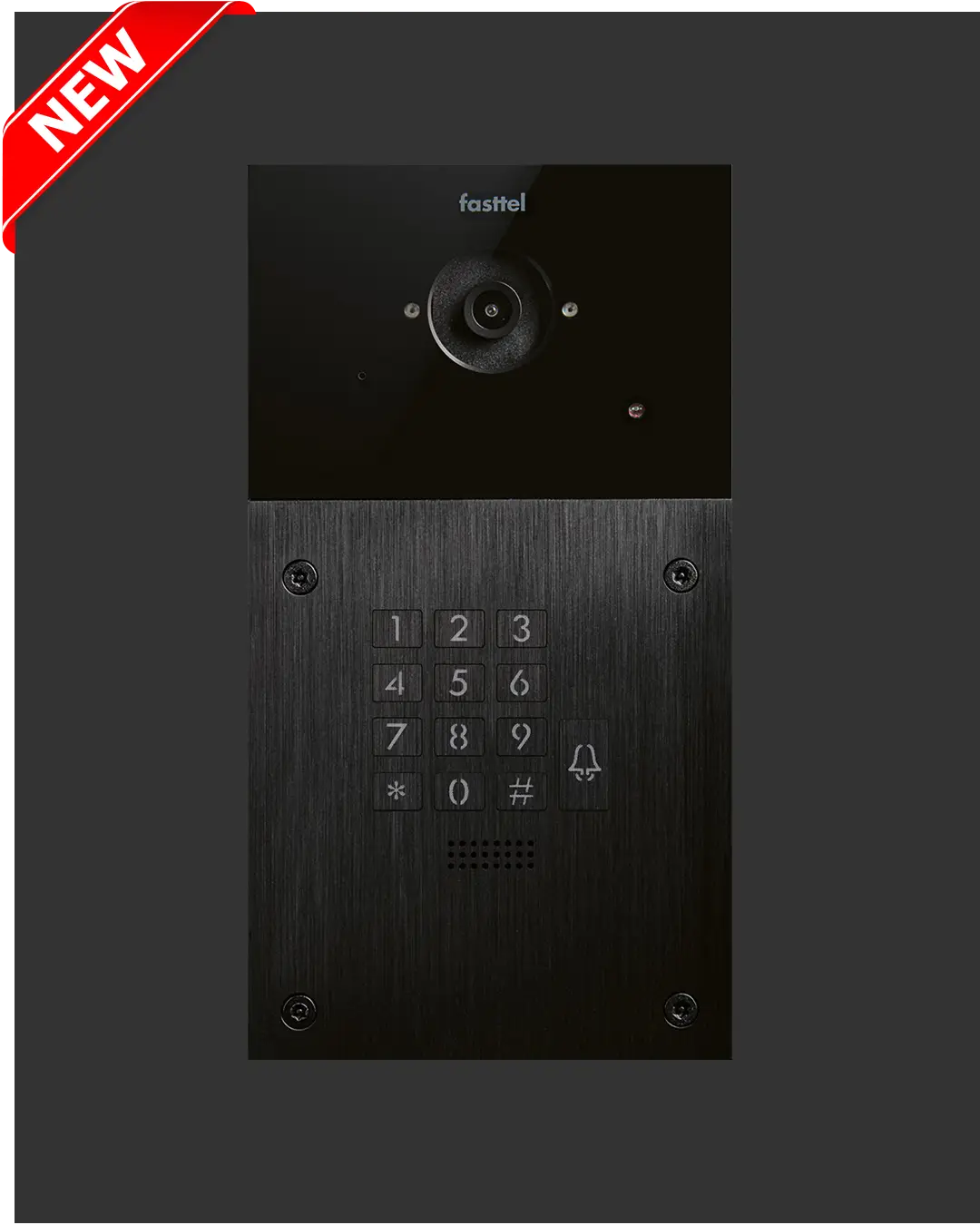
An intercom allows you to hear and see who is at your door. It is useful for houses, flats and businesses, as it lets you see or hear who is ringing the bell more quickly and easily, and decide for yourself when to open the door. This provides greater convenience and a greater sense of security in everyday use.

Applications

An intercom is used in various situations, depending on the need for convenience and security. At home, an intercom can replace a traditional doorbell and provides extra control over who is ringing the bell. In a block of flats, it allows residents to speak to visitors and grant access without having to go downstairs. Within businesses and offices, an intercom helps manage access and receive guests. In care settings, such as for the elderly or informal carers, an intercom offers extra support by making contact and supervision easily possible from a distance.

Why choose an intercom?

An intercom makes it easier and safer to see who is at the door. You can see and/or hear who is ringing the bell before you open the door, which provides extra security and peace of mind.It also offers convenience: you can open the door remotely without having to walk to the front door yourself. With smart intercom systems, you also have extra control, as you can view and communicate via your smartphone, even when you’re not at home.

5 ways an intercom makes your building safer

Types of intercom systems

There are various types of intercom systems, each with their own uses and benefits. An audio intercom or intercom is the simplest type and works using voice only, which is ideal if you mainly want to hear who is at the door. A video intercom adds a video feed, so you can also see who is ringing the bell, providing extra security and peace of mind.

A smart intercom works via Wi-Fi and an app on your smartphone, allowing you to communicate remotely and open the door. This is handy if you’re not always at home.

You also have the choice between wired and wireless systems. Wired intercoms are often more reliable and suitable for permanent installations, whilst wireless systems are more flexible and easier to install without major alterations.

Comparison: which intercom is right for you?

When choosing an intercom, it is important to consider your situation and what you actually need. By comparing a few key points side by side, it becomes easy to see which is the right choice.

  • Use (home vs. business)

    For home use, the focus is often on convenience and security at the front door. In a business or office, access control also plays a greater role, for example where there are multiple users or entrances.

  • Budget

    Intercom systems are available in various price ranges. Simple models are more affordable, whilst systems with video or smart features cost more. Often, the more features a system has, the higher the price.

  • Installation (DIY vs. professional)

    Wireless systems are usually easy to install yourself. Wired systems require a bit more work, but often offer a more stable solution. For larger installations, professional installation is more commonly chosen.

  • Features

    Consider in advance what you need: voice only, video as well, or control via an app. Additional features such as remote access or notifications on your phone make the system much more practical to use.

By carefully weighing up these points, you can choose an intercom that suits your needs, without unnecessary features or costs.

5 mistakes to avoidwhen choosing access control

Key features of an intercom

The features of an intercom determine how convenient and secure the system is in everyday use. These are the most important features to look out for:

  • Camera (HD, night vision)

    A camera allows you to see immediately who is at the door. The image remains clear even in the dark, ensuring you always have a good view of visitors.

  • App control

    Via an app on your smartphone, you can answer calls, view the feed and speak, wherever you are. This means you’re always in control, even when you’re not at home.

  • Door opener

    You can easily open the door remotely at the touch of a button. Handy if you’re not right by the front door or want to let someone in quickly.

  • Multiple users / screens

    An intercom can often be used by several people at the same time, for example via different screens or phones. Ideal for families or businesses.

  • Recording function

    Some systems record footage when the doorbell rings. This allows you to see later who was at the door.

By combining these features, you can choose an intercom that is not only secure, but also practical and works well in your situation.

Smart access control integration

Smart doorbell versus traditional videophone: benefits for installers

Integrating wireless videophones with smart home and home automation

Installing and using an intercom

In practice, installing and using an intercom is often easier than you might think, especially if you know what’s involved beforehand.

During installation, you place an outdoor unit by the front door and an indoor unit or screen inside the house. With a wireless system, you connect these via Wi-Fi, whilst a wired system is connected with cables for stable operation. You then set up the system, for example via an app or display.

What you need depends on the type of intercom. You’ll need a power connection, possibly Wi-Fi, and for some systems an electric door opener if you want to open the door remotely.

Once in use, an intercom requires little maintenance. Occasional cleaning and checking is usually sufficient. Thanks to its simple operation—answering a call, speaking and, if necessary, opening the door—the system remains straightforward and pleasant to use on a daily basis.

WiFi doorbell installation tips: optimal range and stable connection

Optimizing vision and sound when a camera bell rings: tips for installers

Everything Installers Need to Know About Intercoms

Intercoms and SIP Integration: The Future of Access Control

Costs & pricing structure of an intercom

The cost of an intercom is made up of various components and can therefore vary considerably depending on the situation.

  • Purchase vs. installation

    The price starts with the purchase of the system itself. Simple intercoms are relatively affordable, whilst more advanced systems with video or smart features are more expensive. In addition, installation costs may apply, particularly for wired systems or if you have it professionally installed.

  • Differences by type

    The type of intercom has a significant impact on the price. Audio intercoms or intercoms are usually the most economical, whilst video intercoms or videophones cost more due to extra features such as video, app control and additional capabilities.

  • Possible subscriptions (cloud/app)

    With some smart intercoms, you pay extra for features such as video storage or extended app functionality. This is often done via a monthly or annual subscription.

  • All-in-one video intercom packages

    Many manufacturers offer attractive all-in-one packages, combining an outdoor unit, an indoor unit and an app.

By considering these components together, you get a clear picture of the total costs and can make a choice that suits your budget and usage.

Who is an intercom suitable for?

An intercom is suitable for a variety of situations and user groups, depending on the need for convenience, control and security.

  • Homeowners

    For homes, an intercom provides extra security at the front door. You can see or hear who is ringing the doorbell first, which brings greater peace of mind and control in everyday use.

  • Flat residents

    In flats, an intercom is often indispensable. You can speak to visitors and let them in without having to go downstairs, which makes it much more practical.

  • Businesses

    In offices and commercial buildings, an intercom helps manage access. You decide who enters and maintain an overview when dealing with multiple visitors or entrances.

  • Elderly people / care settings

    For elderly people or in care settings, an intercom offers extra convenience and security. Contact and access can be easily managed, which contributes to independence and remote support.

  • Institutions and care environments

    Think of schools, care homes or other organisations where controlled access is important. An intercom makes it easier to manage visitors and contributes to a safe environment.

  • Government and public buildings

    In municipal buildings, government institutions and other public locations, an intercom is used to control access and manage visitor flows, without the need for staff to be stationed at the entrance at all times.

Thanks to this wide range of applications, an intercom is a practical solution.

Security & privacy

Security and privacy are key considerations when using an intercom, particularly with systems that include a camera and an internet connection.

  • Connection security

    Modern intercoms often use Wi-Fi or an app. It is therefore important that the connection is properly secured, for example with encryption and a strong password. This prevents unauthorised persons from gaining access to the system or viewing the feed.

  • Camera use and legislation

    With intercoms featuring cameras, you must take privacy regulations into account. In principle, you are permitted to film on your own property, but you should not film public roads or neighbours unnecessarily. Therefore, limit your use to what is necessary for your own safety.

By being mindful of this, you will not only use an intercom safely, but also responsibly.

Guide to choosing an intercom

  • What will you be using it for?

    In a home, the main priorities are convenience and security at the front door, whereas in a business or apartment block you often need to manage multiple users and entrances. Intercoms are used in a wide range of settings: from homes to offices and larger buildings where access control is important.

  • Do you want video or just audio?

    With an intercom, you can hear who is ringing the bell, whilst a videophone or doorbell with a camera also lets you see who is at the door. That extra visual confirmation provides greater peace of mind when opening the door.

  • Wired or wireless?

    Wired systems are often more reliable and suitable for permanent installations. Wireless systems are more flexible and easier to install, particularly in existing homes or situations where you don’t want to run cables.

From gadget to must-have: why a smart doorbell is indispensable these days?

Quick tip

Choose based primarily on how you use the intercom on a daily basis. For simple home use, a wireless video or audio system is often sufficient. If you want more control, multiple users or integration with other systems, a more advanced (often wired or smart) system is a better choice.

Frequently asked questions about intercoms

Do you need Wi-Fi?

No, Wi-Fi isn’t always necessary. Only smart intercoms use Wi-Fi for features such as app control and notifications on your phone. If you opt for a standard system, it will work perfectly well without an internet connection.

Does it work for multiple homes?

Yes, intercoms are well suited to multiple dwellings. Think of blocks of flats, where a single outdoor panel is linked to multiple users. Everyone can then be contacted individually and open the door.

Is installation difficult?

That depends on the system. Wireless intercoms are often easy to install yourself. With wired systems, installation is somewhat more involved and professional installation is more commonly chosen.

Which is better: wired or wireless?

Both have their advantages. Wired intercoms are stable and reliable, whilst wireless systems are easier to install and offer greater flexibility. The best choice therefore depends on your situation.

Discover our intercoms in our webshop

Discover our intercoms, doorphones, videophones and their options for homeowners & professionals